
Men
Cedro di Taormina

Acordes principales
Descripción
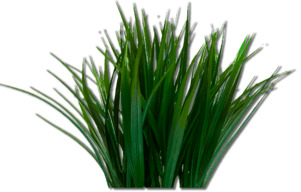
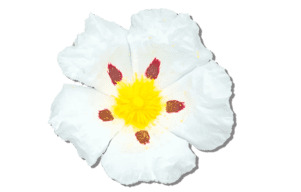
Acqua di Parma's Cedro di Taormina is an aromatic woody fragrance for men and women. Launched in 2016, this composition features citrus, petit grain, and basil top notes; a heart of lavender and black pepper; and a base of Virginia cedar, vetiver, and labdanum.
Resumen rápido
Cuándo llevarla (votos)
Notas clave
-
Salida
 citrus
-
Corazón
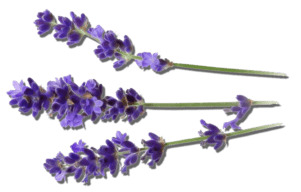 lavender
-
Base
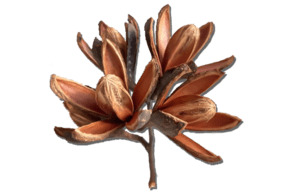 Virginia cedar
Comunidad
711 votos
- Positivo 85%
- Negativo 9.3%
- Neutral 5.9%
Pirámide olfativa
Estructura completa de la fragancia: de la salida al fondo.


Comunidad
Qué dicen los usuarios sobre propiedad, preferencia y mejor momento de uso.
Propiedad
¿La tienen, la tuvieron o la quieren?
Preferencia
Cómo valora la comunidad esta fragancia.
Uso recomendado
Estación y momento del día con más votos.





Dónde comprar
Compara tiendas verificadas para Cedro di Taormina y elige según envío, precio o disponibilidad.

Amazon
Envío rápidoEntrega rápida y política de devoluciones conocida.
Ideal si priorizas velocidad y disponibilidad.
Ver en Amazon
eBay
Más opcionesMás opciones de precio, formatos y vendedores.
Útil para comparar alternativas antes de decidir.
Ver en eBay






Características
Resumen de votos sobre longevidad, estela, género y percepción de precio.
Longevidad
Escasa
Débil
Moderada
Duradera
Muy duradera
Estela
Suave
Moderada
Pesada
Enorme
Género
Femenino
Unisex femenino
Unisex
Unisex masculino
Masculino
Precio
Extremadamente costoso
Ligeramente costoso
Precio moderado
Buen precio
Excelente precio



Reseñas
Experiencias reales de la comunidad sobre uso diario, rendimiento y estela.
Para dejar una reseña necesitas iniciar sesión.
15 reseñas
Mostrando las más recientes primero.
Category:
Not bad… This Cedro di Taormina has nothing special about it; it doesn’t take us to Italy. It’s a rather boring, classic, fresh, and more citrus than woody cologne. At first, it reminded me of Eau Sauvage. Overall, the cedar is timid compared to the lemon, which takes all the glory accompanied by the bitterness of the basil (perhaps grapefruit) and a touch of pepper, while the lavender nuances without dominating. At the end, a soft, slightly gingered vetiver is perceived, reminiscent of Creed’s Vetiver. The result is… meagre. Others in the series have more personality. More for men, summer, and daytime. Sillage and longevity are moderate, so be generous with the trigger. The quality isn’t world-class. I feel generous… 6/10
Not bad… This Cedro di Taormina has nothing special about it; it doesn’t take us to Italy. It’s a fairly boring, classic, fresh, and citrusy rather than woody cologne. In the opening, it reminded me of Eau Sauvage. Overall, the cedar is quite timid in front of the lemon, which takes all the ‘glory’ accompanied by the slight bitterness of the basil (perhaps grapefruit) and a touch of pepper, while the lavender nuances without dominating. Towards the end, a soft vetiver, slightly gingerised, is perceived, which reminds me a lot of Creed Vetiver. The result is… poor. Other proposals in this series have more personality. More for men, summer, and daytime. Sillage and longevity are moderate, so be generous with the trigger. The quality is nothing special. I feel generous… 6/10.
It reminds me of generic, dubious quality men’s perfumes: woody-citrus-aromatic-spiced. However, this one surprised me well: without straying from that path, it offers more definition and presence. Let no one get upset; I don’t consider it a definitive work by any means; it offers little for the expert, but for the average user looking for such fragrances, it can be a good option. The opening is very well done; the house’s citrus DNA is noticeable with basil and black pepper. Negatively, the citrus freshness fades in favour of the cedar, which, together with the labdanum, dominates completely, with a resinous, sweet, and balsamic side. Complicated for someone to smell bad. The performance is moderate.
It reminds me of those overused ‘masculine’ wood-citrus-aromatic-spiced perfumes, generic and of dubious quality. However, this has surprised me for the better: without straying from that path, it offers a touch more definition and presence. It’s not a definitive masterpiece, but for the average user looking for fragrances like this, it could be a good option. The opening is excellent; you can feel the house’s citrus DNA with basil and black pepper. The downside is that the freshness fades in favour of cedar and labdanum, which end up dominating with a resinous, sweet, and balsamic side. It’s complicated for someone to smell bad on it. Performance is average.
I like it. A nice combination of petit grain and basil at the start, with lavender adding up as it dries. In the base, you can feel the cedar wood and the resinous touch of labdanum. If you are looking for something fresh but less citrusy and more green, this will suit you. Very pleasant but with just right performance. For spring, summer, and daytime. Longevity and sillage are moderate.
I like it. It’s a nice blend of petit grain and basil at the start, with lavender drying down. In the base, there are cedarwood notes and a resinous touch of labdanum. If you’re looking for something fresh but less citrusy and more green, this is your option. Very pleasant, although the performance is just about right. Ideal for spring and summer, for daytime wear. Longevity and sillage are moderate.
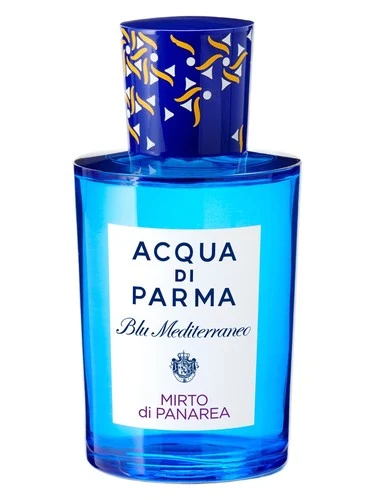
Cedro di Taormina is the most woody fragrance from the Blu line of Acqua di Parma that I have tried so far. I cannot claim it is the most woody of all, as I still need to try Cipresso di Toscana and Ginepro. The opening is citrusy and herbal, with that almost natural style of the designer’s colognes. Petit grain and basil are perceptible, with no black pepper detected. After a few minutes, the woods stand out, the cedar and a little vetiver in a lovely harmony with the citrus, keeping it until the end. All the Blu line scents seem appropriate for daytime, light and luminous, excellent for spring and summer. Its longevity was average, better than Bergamotto di Calabria but not as much as Mirto di Panarea. Its aroma reminded me at times of Zegna’s Sicilian Mandarin.
A sophisticated wood; I liked it quite a bit, but unfortunately, its longevity isn’t as good on my skin.
I agree with beto_ruiz. It lasts less than Mirto Di Panarea but more than Bergamotto Di Calabria. It’s a light, woody, masculine, and elegant fragrance. The citrus notes in the opening are spectacular, followed by cedar and vetiver with green nuances in the heart. A bit simple and linear, but very pleasant. Performance is just adequate, with low projection and sillage.
I agree with beto_ruiz. It lasts less than Mirto Di Panarea but more than Bergamotto Di Calabria. A light, woody, masculine, and elegant fragrance. Spectacular citrus at the start, with cedar and vetiver featuring green notes in the mid-phase. A bit simple and linear, but very pleasant. Longevity is just right, with low projection and sillage.
Another impostor from the Blu Mediterranean line. Cedro di Taormina, eh? Smells like Alava oranges and turpentine; it’s a diluted Terre d’Hermès without the resinous part, with a taste of old pharmaceutical remedies. The sparkling aniseed-type orange citrus, oily and revitalising lavender, are evident. To get an idea, mix Terre d’Hermès with Guerlain Pour Homme, a touch of Carthusia 1681, and Seville Orange Water; from this union is born this Cedro di Taormina, which smells less of cedar than anything else. Thanks to a sample, I saved myself from a blind purchase. PS: I don’t usually write such short reviews, but they are necessary to prevent bad purchases. I, a lover of cedar, would have bought this blind. This isn’t a woody scent, but a zesty, aromatic citrus that becomes dusty when dry, with a lingering taste of shivering lollipops, anise, and lavender for perfuming cupboards with a pharmacy aftertaste.
Another impostor in the name of the Blu Mediterraneo line. Cedro di Taormina, eh? It smells of lavender-washed oranges and turpentine; it’s a toned-down Terre de Hermès, without the resinous part and with a taste of old pharmaceutical remedy. The orange citrus notes are sparkling, the lavender is oily and revitalising rather than relaxing. To get an idea, mix Terre de Hermès with Guerlain Pour Homme, a bit of Carthusia 1681 and Seville Orange Water; from that union is born this Cedro di Taormina, which smells less of cedar than anything else. Thanks to the sample, I saved myself from a blind purchase. PS: I don’t usually like writing such short reviews, but they are necessary to prevent purchases that could go wrong. Given the name and my love for cedar, I would have bought it like a lottery ticket. This isn’t a woody fragrance, but a sparkling citrus, aromatic and dusty in the dry down, with a hint of shivering lollipop, anise, and lavender balls to perfume cupboards, with a certain taste of chemist’s shop.
Taormina is like a balcony overlooking the sea with views of Mount Etna, famous for its wine and, above all, its sour orange. This fragrance from the Blu Mediterraneo line revolves around that native citrus, which I rushed to buy like someone possessed. The sour orange, or citro, is an almost legendary bitter and aromatic fruit on the island, so much so that Baron Von Gloeden cultivated it on his estates for his photographs. The queen note is so intense that it dominates the entire olfactory journey; although lavender and vetiver try to tame it, in the end they revive its wildest nuances like a stubborn weed that refuses to die. Its hesperidic opening contrasts with an aniseed and decadent base that reminds me of a tin of sweets from my grandmother, evoking a day in an orange grove under the sun alongside the ephebes of that lost paradise.
Taormina is a Sicilian town facing the sea with views of Etna. Its quarries, wine, and… citron are prized from there. This note is the heart of this Acqua di Parma from the Blu Mediterraneo line, recently discontinued, which I rushed to buy. Citron was the first citrus in Europe, and after Rome, its cultivation was reduced to Sicily, Naples, or Sardinia. There’s a village in Calabria called Santa Maria del Cedro named after this fruit, from whose peel a precious essential oil is extracted. Baron Von Gloeden, a controversial figure, produced it there in the late 19th century. Reading the reviews, I imagined the Baron laughing that ‘Cedro di Taormina’ isn’t wood, but that bitter, aromatic fruit that lingers throughout the entire olfactory journey. The lavender and vetiver notes seem to yield to the sourness of the citron, which revives like an untamed weed. Its hesperidic opening contrasts with an aniseed, decadent base that reminds me of my grandmother’s candy tin. It evokes cutting fennel and souring under the sun alongside wild youths in Taormina.
Better with wear. The evolution into cedar is enjoyable, and it’s a summer favourite. There’s always that rough wood scent, like chipping timber, paired with excellent citrus, which is the signature of Acqua di Parma. The longevity outperforms other Blu Mediterraneo scents, just like its performance. Scent: 8.5, Longevity: 8, Projection and Sillage: 8.5, Versatility: 8